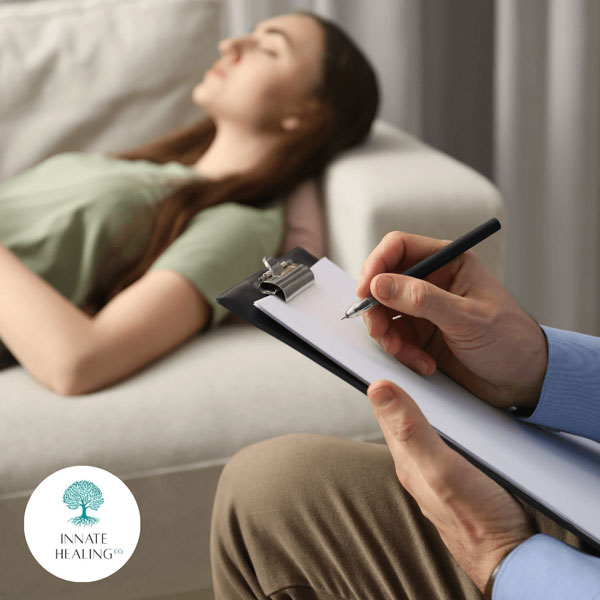
It’s a practical, goal-oriented approach that combines hypnotherapy with solution-focused techniques. Instead of dwelling on problems, we focus on what you want to achieve and how to get there—helping you create real, positive change.
The number of sessions depends on what you would like help with. Most clients benefit from a programme of around 8–12 sessions. Simple phobias often respond more quickly, usually in around 4 sessions, while smoking cessation can often be achieved in just 1–2 sessions. This will always be discussed and tailored to you in your initial consultation.
Yes! You stay in control and aware the entire time. Hypnosis is a deeply relaxed state, not sleep—you can hear, respond, and make choices throughout the session.
It can support anxiety, stress, confidence, habits, sleep issues, phobias, self-esteem, and more. Basically, if there’s a change you want to make, hypnotherapy can help you get there.
Absolutely. Hypnotherapy is non-invasive, drug-free, and completely safe when done by a trained professional. Every session is tailored to your pace and comfort.
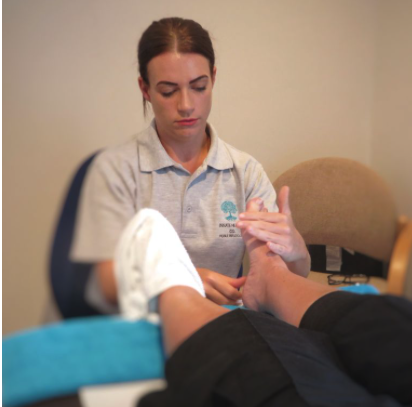
Reflexology is a gentle, holistic therapy that works on specific points on the feet (and sometimes hands or ears) which correspond to different areas of the body. It helps encourage relaxation, balance, and the body’s natural healing processes.
The number of sessions varies depending on your individual needs. Many clients benefit from a course of 6 to 8 sessions for ongoing or long-term concerns, while others may notice improvements sooner. Regular sessions can also be used for relaxation and maintenance of wellbeing.
Reflexology may help support stress, anxiety, sleep problems, hormonal balance, digestive issues, pain, and overall wellbeing. It works by helping the body return to a state of balance.
Most people find reflexology deeply relaxing. You may feel gentle pressure on certain areas of the feet, which can sometimes be slightly sensitive, but it should never be painful. Many clients leave feeling calm, lighter, and more balanced.
Yes. Reflexology is a non-invasive and safe therapy when carried out by a qualified practitioner. Your full health history will be discussed to ensure the treatment is appropriate and tailored to you.
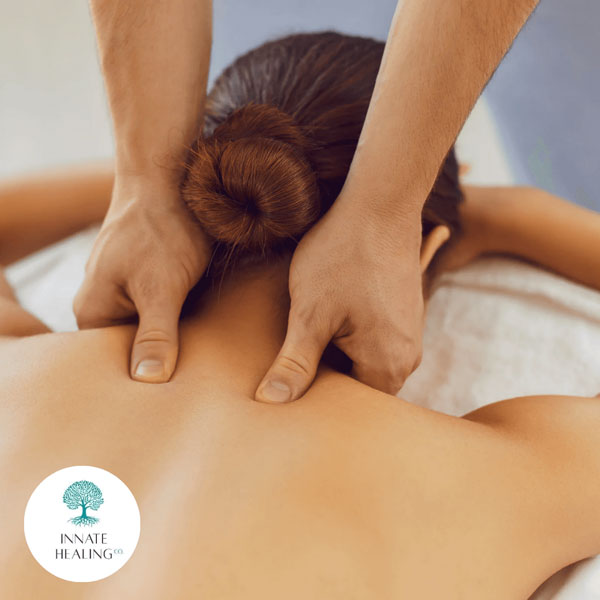
Acupressure is a natural therapy that uses gentle, firm pressure on specific points of the body to help release tension, improve energy flow, and support the body’s own healing response.
The number of sessions depends on your individual needs and goals. Some people feel benefits after just one session, while others choose a short course or regular treatments for ongoing support and wellbeing.
Both therapies work on the same energy points, but acupressure uses the hands and fingers instead of needles. This makes it a gentle, non-invasive option for those who prefer a more relaxing, hands-on approach.
Acupressure works on points across the body to support physical and emotional balance, while scalp acupressure focuses on points on the head. Scalp acupressure is deeply calming and especially helpful for stress, mental overload, and promoting clarity.
Most people find acupressure deeply relaxing. You may feel gentle pressure, warmth, or a sense of release, leaving you feeling calmer, lighter, and more balanced afterwards.